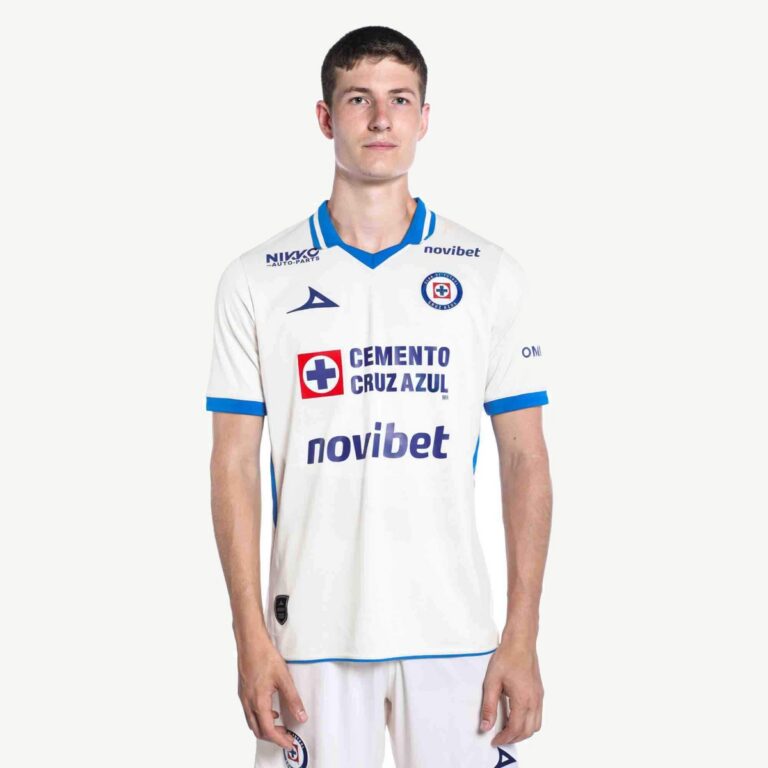
A retro shirt is not an old shirt. It is a reissue of a specific model, with its cut, colours and original sponsors. That explains its return: it tells the story of an era that modern shirts no longer tell.
What is a real retro shirt?
A retro shirt reproduces an identifiable shirt: a season, a competition, a player. The finishes follow the original model, including period quirks: higher collar, longer sleeves, heavier fabric, sponsor printed in simple letters.
It is not the same as a current “third” shirt, nor a marketing reissue of a recent shirt. The difference is visible in the collar, sleeves and fabric.
The eras that come back most
- The 1990s: loose cuts, geometric patterns, historic sponsors.
- The early 2000s: more technical shirts, high collars, the first fitted cuts.
- National team shirts: World Cup and Euro, often the most requested in retro.
How to wear it without a faux pas
Retro is worn loose and confident, with straight jeans or chinos. Avoid tucking it into trousers: the original cut was not designed for that. In a collection, hang it on a wide hanger, away from sunlight.
Care matters even more
The fabrics are heavier, the printings older, and sometimes the colours less stable. Wash at 30 °C inside out, without fabric softener, dry flat. No tumble dryer, no direct iron. That is what will make the difference in ten years.
Where to find retro shirts
Our retro shirt section groups the available reissues, club by club. Runs are limited: once a size sells out, it does not always come back.